
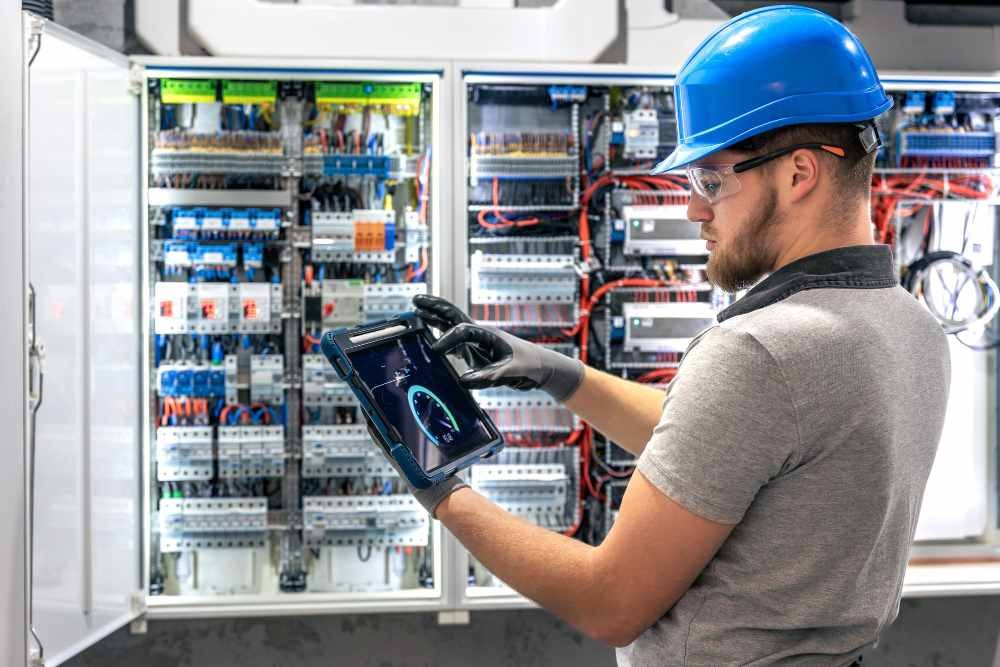
An EICR certificate in the UK typically costs between £80 and £300, depending on the property size, number of electrical circuits, and location. Small flats usually cost £80–£120, average homes £120–£200, and larger properties £200–£300+, with prices often slightly higher in cities like London. The inspection checks the safety of wiring, sockets, circuits, and the consumer unit.
Electrical safety is a critical responsibility for homeowners, landlords, and property managers across the United Kingdom. Whether you own a rental property or want to ensure your home is safe, obtaining an Electrical Installation Condition Report (EICR) is essential. One of the most common questions people ask is: how much does an EICR certificate cost?
The price of an EICR can vary depending on several factors, such as the size of the property, the complexity of the electrical installation, and the electrician performing the inspection. Understanding these factors can help you budget properly and avoid unexpected expenses.
This detailed guide explains everything you need to know about EICR certificate pricing, what influences the cost, what the inspection includes, and why it is essential for property safety.
An Electrical Installation Condition Report (EICR) is a formal document issued after a professional electrician inspects a property’s electrical system. The report assesses the safety and condition of electrical installations, including wiring, sockets, fuse boards, and lighting circuits.
The main purpose of an EICR is to identify potential electrical hazards that could cause shocks, fires, or system failures. During the inspection, the electrician checks whether the installation complies with current electrical safety standards.
The report highlights issues using specific coding:
If serious issues are found, repairs must be completed before the electrical system is considered safe.
The cost of an EICR certificate in the UK typically depends on the size and type of property. On average, prices fall within the following range.
For landlords with multiple properties, electricians may offer discounted rates for multiple inspections conducted on the same day.
In major cities, especially when requesting an EICR Certificate in London, the cost can be slightly higher due to increased labour rates and travel costs.
Several variables influence the total price of an EICR inspection. Understanding these factors can help explain why quotes vary between electricians.
The number of rooms and electrical circuits significantly affects inspection time. Larger properties require more testing points and therefore cost more.
Each circuit in the consumer unit must be tested individually. Properties with additional circuits for appliances, extensions, or outdoor installations may have higher inspection costs.
Older properties may require more detailed inspections because outdated wiring systems or old fuse boards can increase safety risks.
If wiring, sockets, or consumer units are difficult to access, the electrician may need additional time to complete the inspection.
Prices can vary depending on location. Inspections for an EICR Certificate in London are often slightly higher than in smaller towns due to higher service demand and operational costs.
An EICR inspection involves a thorough evaluation of the entire electrical installation. Qualified electricians perform both visual checks and technical testing to ensure everything operates safely.
Typical inspection steps include:
After the inspection, the electrician compiles the findings into a detailed report.
Inspection time depends on the property’s size and complexity.
Commercial properties or buildings with complex electrical systems may require a full day or longer to complete testing.
An EICR is important for several property owners and situations in the UK.
Since July 2020, landlords in England must ensure electrical installations in rental properties are inspected at least every five years. This requirement ensures tenant safety and legal compliance.
Although not legally required for homeowners, many people choose to have an EICR carried out to confirm that their electrical systems remain safe.
Many buyers request an EICR before completing a property purchase to identify electrical issues early.
Workplaces must maintain safe electrical systems in line with health and safety regulations, which often involves regular EICR inspections.
The recommended inspection frequency depends on property type.
If a property undergoes significant electrical changes or renovations, a new inspection may be required sooner.
An EICR may be classified as “unsatisfactory” if the inspection identifies serious electrical faults. In this case, corrective work must be carried out.
Common issues include:
Once repairs are completed, the electrician may provide written confirmation that the issues have been resolved.
The EICR inspection itself covers testing and reporting, but additional costs may arise if repairs are required.
Possible extra costs include:
These costs depend on the severity of the electrical problems identified during the inspection.
Electrical faults are one of the leading causes of house fires in the UK. Regular inspections help identify hazards before they become dangerous.
Benefits of an EICR include:
Regular inspections ensure electrical systems remain reliable and safe for everyday use.
Selecting a qualified electrician is essential to ensure accurate inspections and reliable reports.
Look for electricians who:
Professional services such as First Landlord Certificates London LTD. specialise in electrical safety inspections and certification for landlords and property owners.
Although inspections are necessary, there are ways to keep costs manageable.
These steps can reduce testing time and, in turn, lower overall costs.
Many people use the terms interchangeably, but technically, an EICR is the inspection report itself. Once the installation passes inspection or necessary repairs are completed, it effectively confirms electrical safety compliance.
Landlords typically provide this documentation to tenants as proof that the electrical installation has been professionally inspected.
While many people focus on the price, the value of an EICR lies in the protection it provides. Electrical faults often develop silently within walls or circuits, and regular testing ensures problems are detected early.
For landlords, it also protects against legal penalties and tenant safety issues. For homeowners, it provides reassurance that the electrical system remains reliable and secure.
When requesting an EICR Certificate in London, working with experienced electricians ensures accurate inspections and clear safety recommendations.
Understanding the cost of an EICR certificate helps property owners plan for electrical safety inspections without surprises. The price generally ranges from £80 to £300, depending on property size, the number of circuits, and location.
Although it represents a small investment, an EICR provides essential protection against electrical hazards while ensuring compliance with UK safety regulations.
Regular inspections not only protect properties from electrical risks but also give landlords and homeowners peace of mind knowing their electrical installations meet modern safety standards.
The cost of an EICR in London usually ranges from £120 to £250, depending on the property size, number of circuits, and complexity of the electrical installation.
Yes. In England, landlords must obtain an EICR for rental properties at least every five years to comply with electrical safety regulations.
For rental properties, an EICR is typically valid for five years. For owner-occupied homes, electricians generally recommend inspections every ten years.
Yes. If serious electrical hazards are discovered, the report will be marked as unsatisfactory until repairs are completed.
Only qualified and registered electricians with proper certification and experience in electrical inspections can legally conduct an EICR and issue the report.