
 February 4, 2026 · First Landlord Certificates London
What is an EICR Certificate?
What is an EICR Certificate?
An EICR certificate is a formal report that confirms the safety of a property’s fixed electrical installation. It identifies electrical faults, checks compliance with UK wiring regulations, highlights fire and shock risks, and confirms whether the system is safe for continued use. It is legally required for rental properties and must be carried out by a qualified electrician.
Electrical safety is one of the most important responsibilities for property owners in the UK. Whether you own a residential rental, manage a commercial building, or live in your own home, ensuring that the electrical systems are safe and compliant is not optional. This is where the EICR certificate becomes essential.
An EICR certificate, short for Electrical Installation Condition Report, is a formal document that assesses the safety and condition of a property’s fixed electrical systems. It highlights potential hazards, identifies wear and tear, and confirms whether the installation meets current UK electrical safety standards.
In this in-depth guide, we will explain what an EICR certificate is, why it matters, who needs it, what the inspection includes, how often it is required, and what happens if your property fails. This article is designed to help landlords, homeowners, and business owners clearly understand their legal and safety obligations.
Understanding What an EICR Certificate Is
An EICR certificate is produced after a detailed inspection and testing of a property’s electrical installation. This includes wiring, fuse boards, consumer units, sockets, switches, lighting circuits, and other permanently connected electrical components.
The purpose of the report is to determine whether the electrical installation is safe for continued use. It does not focus on portable appliances such as kettles or microwaves. Instead, it examines the building’s core electrical infrastructure.
The inspection is carried out by a qualified and competent electrician who follows the British Standard BS 7671, commonly known as the IET Wiring Regulations.
Once completed, the electrician issues an Electrical Installation Condition Report that clearly states whether the installation is satisfactory or unsatisfactory and lists any issues that need attention.
Why an EICR Certificate Is So Important
Electrical faults are one of the leading causes of fires and serious accidents in UK properties. Many of these faults develop slowly over time and are not visible to the untrained eye.
An EICR certificate is important because it:
- Helps prevent electrical fires and electric shock
- Identifies hidden faults before they become dangerous
- Confirms compliance with UK electrical safety laws
- Protects tenants, occupants, and property owners
- Reduces liability and legal risk for landlords
- Provides peace of mind that a property is electrically safe
For landlords, it is also a legal requirement. Failing to obtain a valid EICR certificate can result in heavy fines and enforcement action by local authorities.
Who Needs an EICR Certificate in the UK?
The requirement for an EICR certificate depends on the type of property and its use.
Landlords
All private landlords in England must have a valid EICR certificate for their rental properties. This applies to houses, flats, HMOs, and converted buildings. The Electrical Safety Standards in the Private Rented Sector Regulations 2020 made EICRs mandatory to protect tenants.
Landlords must:
- Ensure an EICR is carried out at least every five years
- Provide a copy to tenants
- Provide the report to the local authority if requested
- Complete remedial work within required timeframes
First Landlord Certificates London LTD. specialise in helping landlords meet these legal requirements efficiently and correctly.
Homeowners
Homeowners are not legally required to have an EICR certificate, but it is strongly recommended. It is particularly important when:
- Buying or selling a property
- Renovating or extending a home
- Living in an older property
- Experiencing electrical issues
An EICR can uncover problems that may otherwise go unnoticed until they become serious.
Commercial Property Owners
Business owners and commercial landlords have a duty of care under health and safety regulations. An EICR certificate helps demonstrate compliance and protects employees, customers, and visitors.
What Does an EICR Inspection Include?
An EICR inspection is thorough and systematic. The electrician will visually inspect and test all relevant electrical components within the property.
This includes:
- Consumer units and fuse boards
- Fixed wiring and cables
- Sockets and switches
- Lighting circuits
- Earthing and bonding
- Residual current devices (RCDs)
- Signs of overheating or damage
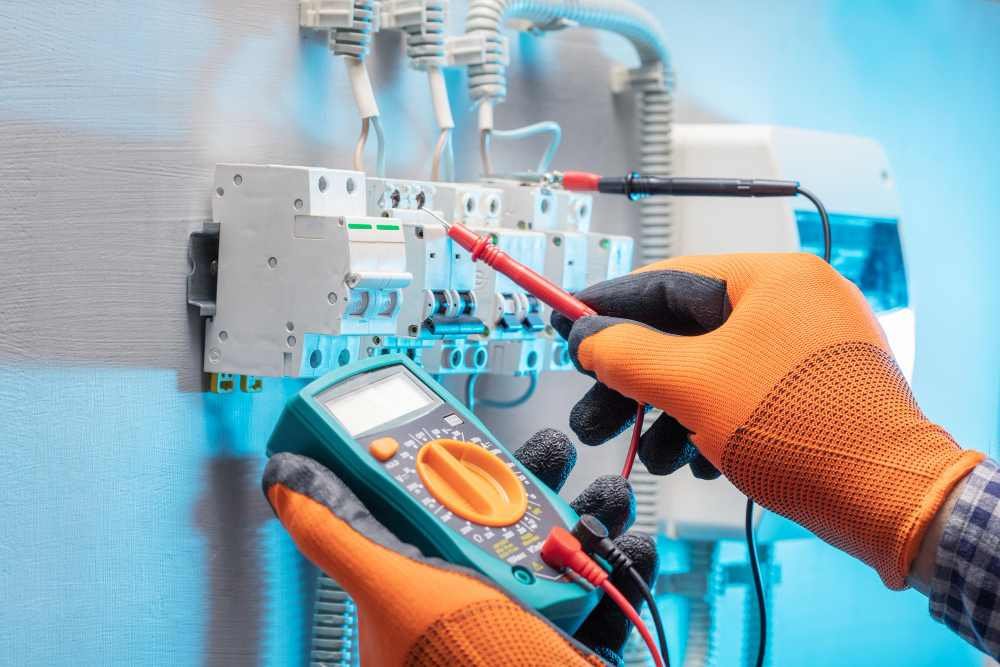
Specialist testing equipment is used to measure insulation resistance, earth continuity, polarity, and circuit integrity. The inspection may require temporary power shutdowns to carry out testing safely.
Understanding EICR Codes and What They Mean
The EICR report uses a coding system to indicate the severity of any issues found.
- C1: Danger Present
Immediate risk of injury. Urgent remedial action is required.
- C2: Potentially Dangerous
It could become dangerous if not addressed. Remedial work is needed soon.
- C3: Improvement Recommended
Does not meet current standards, but it is not unsafe. Upgrading is advised.
- FI: Further Investigation Required
A more detailed assessment is needed without delay.
If the report contains any C1, C2, or FI codes, the overall result will be marked as unsatisfactory.
What Happens If a Property Fails an EICR?
If your property receives an unsatisfactory EICR, remedial work must be carried out to address the identified issues. For landlords, this is a legal obligation.
Once repairs are completed, the electrician will either issue a new EICR or provide written confirmation that the work has been completed and the installation is now safe.
Failure to act on an unsatisfactory EICR can lead to:
- Fines of up to £30,000
- Invalidated insurance policies
- Increased risk of electrical fires
- Legal action from tenants or authorities
How Often Is an EICR Certificate Required?
The recommended frequency of EICR inspections varies by property type.
- Private rental properties: Every 5 years or change of tenancy
- HMOs: Every 5 years or as specified by the local authority
- Owner-occupied homes: Every 10 years or when selling
- Commercial properties: Every 3 to 5 years, depending on usage
Older properties or buildings with heavy electrical usage may require more frequent inspections.
How Long Does an EICR Inspection Take?
The time required for an EICR inspection depends on the size and complexity of the property.
- Studio or one-bed flat: 1 to 2 hours
- Average house: 2 to 4 hours
- Large homes or HMOs: 4 to 6 hours or more
- Commercial buildings: Varies significantly
Occupants may need to allow access to sockets, switches, and consumer units during the inspection.
EICR vs. Electrical Safety Certificate
Many people confuse an EICR certificate with other electrical documents.
An EICR certificate assesses the condition of an existing installation. It is not the same as:
- Electrical Installation Certificate: Issued after new electrical work
- Minor Electrical Installation Works Certificate: Issued for small jobs
- PAT Testing: Covers portable appliances only
Each certificate serves a different purpose and is not interchangeable.
The Cost of an EICR Certificate
The cost of an EICR certificate varies based on location, property size, and complexity.
Factors that affect pricing include:
- Number of circuits
- Property age
- Accessibility of wiring
- Commercial vs. residential use
While cost is important, choosing a qualified and experienced electrician is essential to ensure accuracy and compliance.
Why EICR Certificates Protect More Than Just Compliance
Beyond legal obligations, an EICR certificate plays a critical role in protecting lives and property. Electrical faults rarely announce themselves loudly. They build silently behind walls, under floors, and inside consumer units.
Regular inspections reduce the risk of unexpected breakdowns, costly repairs, and dangerous incidents. Landlords also demonstrate professionalism and commitment to tenant safety.
Table of Contents
Frequently Asked Questions
An EICR certificate confirms that a property's electrical installation is safe, compliant, and suitable for continued use. It identifies faults and safety risks.
Yes, for rental properties in England, an EICR certificate is legally required and must be renewed every 5 years.
Yes, tenants have the right to request a copy of the EICR certificate, and landlords must provide it within a specified timeframe.
Yes, most EICR certificates are valid for five years, although some properties may require more frequent inspections.
Old wiring does not automatically mean failure, but if it poses a safety risk or does not meet minimum standards, the EICR may be marked unsatisfactory.